Electric bicycles (or e-bikes) are fun, reliable options for both transportation and recreation. As with any vehicle, it’s important to weigh a few key factors before buying one for yourself or a loved one. At Bicycle Colorado, we recommend keeping these considerations in mind:
Is this vehicle actually an e-bike?
While the question may seem simple, the answer isn’t always straightforward. Many products on the market blur the line between an electric bicycle and an electric motorcycle (or e-moto).
Here’s what to know:
Colorado has a specific legal definition of an electric bicycle, which exempts these vehicles from licensing or insurance requirements.
To qualify as an electric bicycle, the vehicle must fall into certain classifications (class 1, 2, or 3), its motor may not exceed 750 watts of power, and, per a recently passed law, the vehicle must not be designed to exceed the speed and power limitations of the three-class system (through an “off-road” mode for instance).
Are you interested in an electric bicycle?
That’s great! Just make sure the one you’re considering meets all the legal and safety requirements.
Are you interested in an e-moto, electric moped, or electric motorcycle?
Also great! Just remember, by law, these vehicles are not considered bicycles or e-bikes. You may need licensing and insurance, and you won’t be allowed to ride in certain places where e-bikes are permitted, such as bike paths. In addition, these vehicles typically aren’t eligible for electric bicycle incentive programs.
How will I get this e-bike repaired?
It’s important to think ahead to when your e-bike will inevitably need service, whether that’s a flat tire changed, a chain replaced, or the e-bike firmware updated. As Denver 7 recently reported, many e-bike owners, especially those who have purchased lower-cost direct-to-consumer e-bikes, have found it challenging or impossible to find service options. Brick-and-mortar bike shops often have legitimate safety and liability concerns.
To ensure your e-bike can be serviced, consider buying from a local retailer with a dedicated service department. If you do buy direct-to-consumer, research local repair options before making your purchase.
Has this e-bike’s battery and electrical system been tested to meet safety standards?
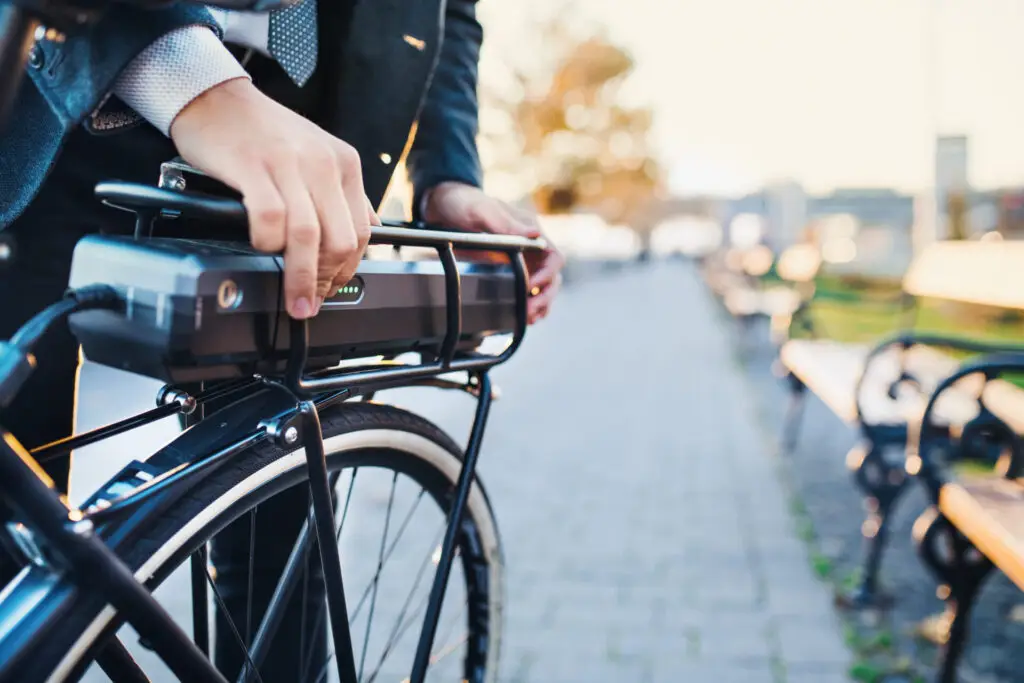
While many e-bikes are safe, some are not. Safety standards exist to ensure that an e-bike’s battery and electrical system have been tested and do not pose a fire risk. Look for standards like UL 2849, UL2271, or EN 15194. The most reliable way to ensure that an e-bike meets these standards is to buy a reputable brand through a trusted dealer.
How will I safely charge, store, and ultimately recycle the e-bike battery?
Plan to follow charging best practices:
- Always consult and follow the manufacturer’s instructions for charging and storage.
- Only use the manufacturer’s original equipment to charge your e-bike battery.
- Don’t charge your e-bike unattended or overnight. Don’t leave it plugged in once it’s finished charging.
- Avoid storing your e-bike in extreme temperatures.
Like any battery, e-bike batteries have a limited lifespan. Eventually, it will stop holding a charge for long and will need to be replaced and recycled. Many brands participate in vetted recycling programs like Call2Recycle. Check ahead to ensure you will have a good disposal option for your battery.
Which e-bike class is right for me?
Consider where and how you plan to ride. That will help you decide which class and style is best for you. E-bikes are classified as follows:
Class 1
An electric bicycle that only provides assistance when the rider is pedaling; the motor ceases at 20 miles per hour (mph).
Class 2
An electric bicycle that provides assistance regardless of whether the rider is pedaling; the motor ceases at 20 mph.
Class 3
An electric bicycle that provides assistance only when the rider is pedaling; the motor ceases at 28 mph.
Class 1 and 3 e-bikes utilize pedal-assist to propel the bike forward. Class 2 e-bikes or e-bikes with a class 2 mode generally use a throttle (a hand-actuated mechanism) to propel the bike forward.
In general, individuals are allowed to ride Class 1 and 2 e-bikes wherever a standard bicycle can be ridden. However, local Colorado governments have ultimate control over where e-bikes can be ridden, so be sure to check your local ordinances if you are unsure. Class 3 e-bikes are generally only allowed to be ridden on roads, including in bike lanes and designated infrastructure within roads. Class 3 e-bikes are not allowed to be ridden on bike paths or multi-use trails unless the trail is within the street or a local government has explicitly allowed it. Check your local ordinances to learn more.
Individuals under 16 years of age are not allowed to ride Class 3 e-bikes unless they are riding as a passenger on an e-bike with that intended purpose. Individuals under 18 must wear a helmet while riding a Class 3 e-bike, either as an operator or a passenger.
Class 1 and 2 Electric-assist mountain bikes (eMTBs) are allowed on trails in all 42 Colorado State Parks that allow mountain biking (please check which ones before you go). Rules for city and county trails vary greatly. Always check with the land manager before you attempt to ride an eMTB on dirt trails/singletrack.
Have questions about e-bikes? Drop our education department a note at [email protected]